Blog

Mindfulness for Anxiety: 5 Practices That Help (and How to Use Them Without Making It Worse)
Quick SummaryMindfulness means paying attention to the present moment on purpose, without judgment. For anxiety it works on two fronts: it settles the body's alarm response, and it helps you step out of worry spirals instead of being carried by them. Five practices...

Exploring Different Approaches in Mental Health Therapy
Mental health therapy encompasses a range of approaches tailored to individual needs. From cognitive-behavioral therapy (CBT), which focuses on changing negative thought patterns, to mindfulness practices that promote awareness and acceptance, each method has its...

Anxiety in Children: Signs Parents Should Watch For, What to Do at Home, and When to Get Help
Quick SummaryAnxiety in children rarely looks like worry. It looks like stomachaches and headaches, tantrums and clinginess, trouble sleeping, refusing school or activities, endless "what if" questions, perfectionism, and meltdowns over small changes. It is common and...
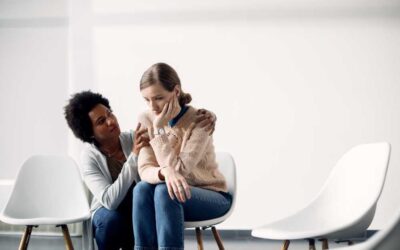
12 Therapy Myths That Keep People From Getting Help (and the Facts)
Quick SummaryMost of the reasons people give for not starting therapy are myths: that it is only for serious mental illness, that you just lie on a couch and talk about your childhood, that the therapist will judge you, that it takes years, that it means you are weak,...

Building Resilience Through Mental Health Therapy
Building resilience through mental health therapy is a vital journey toward personal growth and emotional well-being. Many individuals face challenges that can feel overwhelming, but therapy provides a supportive space to explore these feelings. Through open...

Understanding Boundaries in Mental Health Therapy
In mental health therapy, understanding boundaries is crucial for both the therapist and the client. Boundaries help create a safe space where clients can express themselves without fear of judgment. They define the limits of the therapeutic relationship, ensuring...
Contact Creative Healing Mental Health Center

Fynn
Specialties: Door Greeting | Animal Assisted Therapy | Fluffy Cuddles
Call
Address
1791 County Highway OO Chippewa Falls, WI 54729